Ever wonder what’s really in your food? It’s not always as simple as checking the main ingredients. Many packaged foods contain additives, some of which are derived from animal sources. Recognizing these additives can be challenging if you’re trying to avoid animal products, such as if you’re vegan or want to know more about what you’re eating. Many non-vegan food additives are hidden in plain sight, often with names that don’t sound like animal parts at all. Let’s dig into some of these sneaky ingredients so you can be more aware the next time you’re at the grocery store.
Key Takeaways
- Many common food additives are made from animal products, even if their names don’t make it obvious.
- Reading food labels carefully is essential, especially for things like ‘natural flavors’ or ingredients with E-numbers.
- Some additives, such as gelatin or carmine, are derived directly from animals and are therefore not vegan.
- Even if a product appears to be plant-based, it may still contain hidden animal-derived ingredients.
- Knowing these sneaky non, non-vegan food additives helps you make more informed choices about what you eat.
food additives basics
So, what are food additives anyway? It’s a fair question. You see them listed on pretty much every packaged food, but what do they do?
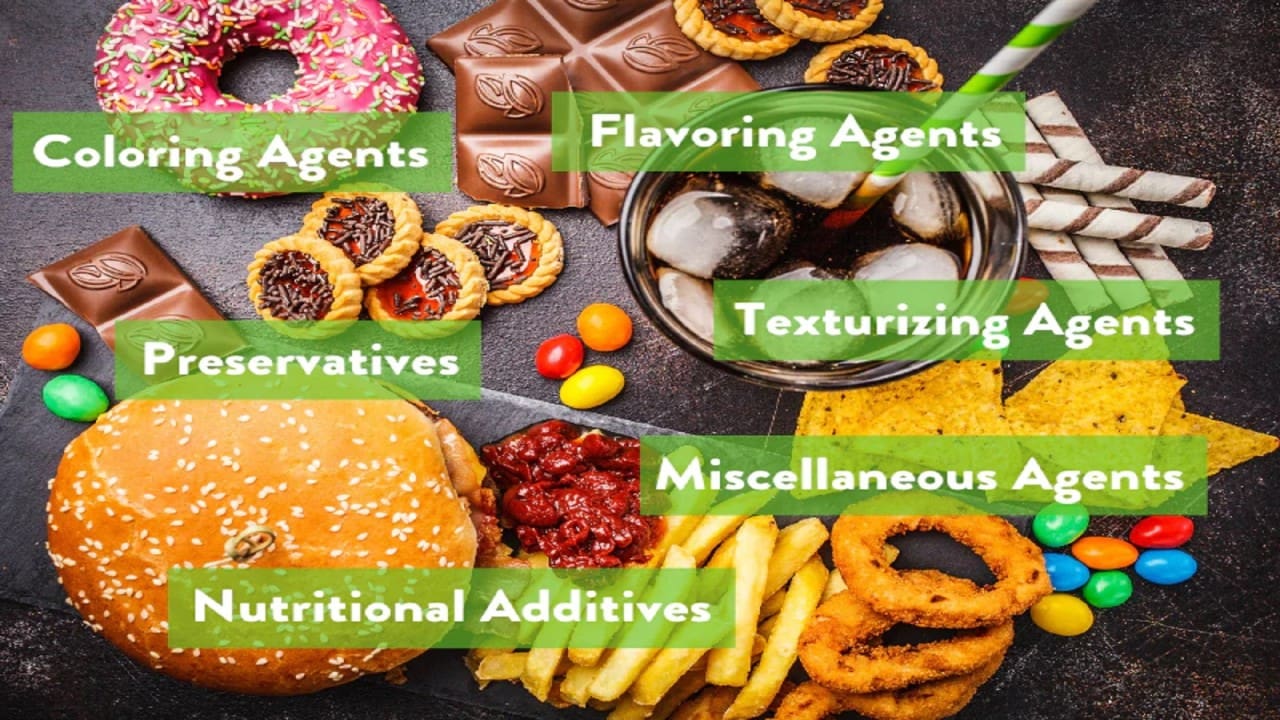
According to the World Health Organization, food additives are “substances added to food to maintain or improve its safety, freshness, taste, texture, or appearance.” They are added to food for a specific purpose, whether it’s to make it last longer, taste better, look more appealing, or mimic more expensive ingredients.
Think of it this way:
- Salt and sugar are additives that are preservatives and enhance the flavor.
- Food coloring is another additive. It makes food look more vibrant.
- Specific acids are additives. They control acidity and prevent spoilage.
It’s important to note that “natural” doesn’t automatically mean vegan. Some additives originate from natural sources, such as plants, animals, or minerals. Cochineal, a red dye derived from insects, is a prime example of a natural but non-vegan additive.
Additives can be derived from various sources:
- Plants: Many additives, such as citric acid or soy lecithin, are derived from plants.
- Animals: Some additives, like gelatin or specific flavor enhancers, are animal-derived.
- Minerals: Certain additives, like calcium carbonate, are derived from minerals.
- Synthetic: Many additives are created artificially in a lab.
10 non-vegan food additives to look out for
Navigating the world of food additives is tricky, especially when you’re trying to avoid animal products. Many ingredients sound innocent enough, but they’re derived from animals. It’s a field, but with a bit of knowledge, you can make informed choices.
Here’s a list of ten common non-vegan food additives to watch out for:
- Cochineal (E120): This red dye comes from crushed cochineal beetles. Yep, bugs. It’s often found in candies, yogurts, and other brightly colored foods.
- Gelatin, made from animal collagen, is used as a gelling agent in desserts, candies, and some medications.
- Lanolin: This waxy substance comes from sheep’s wool and is sometimes used in chewing gum and vitamin D3 supplements.
- Shellac (E904): Secreted by the lac beetle, shellac is used as a glaze on candies and pills to give them a shiny coating.
- Casein: A protein found in milk, casein is used in some non-dairy cheeses and protein powders.
- Whey: Another milk protein, whey is commonly found in protein bars, baked goods, and processed foods.
- Honey: Produced by bees, honey is a sweetener that many vegans avoid.
- Propolis: A sticky substance collected by bees, propolis is sometimes used in throat lozenges and other health products.
- Isinglass, a gelatin obtained from fish bladders, is used during the processing of some beers and wines.
- L-Cysteine, which is derived from human hair or bird feathers, is used as a dough conditioner in bread and baked goods.
It’s important to remember that ingredient sourcing can sometimes vary. If you’re unsure about an ingredient, it’s always best to contact the manufacturer directly or look for products with vegan certification.
Keep an eye out for these sneaky ingredients, and you’ll be well on your way to a more ethical and animal-friendly diet.
Are all additives on the label?
So, you’re diligently scanning labels, trying to avoid those sneaky animal-derived additives. But are y u seeing everything? It’s a valid question. The short answer is mostly but with a few potential loopholes.
Regulations generally require that all ingredients, including additives, be listed on the label. However, here are exceptions and some additives are not always listed. It’s not always a straightforward process, and sometimes, you need to be a detective to figure out what’s really in your food.
- Additives present in tiny amounts might not always be individually listed, especially if they’re part of a larger ingredient.
- Processing aids, which are used during manufacturing but don’t remain in the final product, aren’t always required to be labeled.
- The term “natural flavoring” can sometimes conceal nasty substances, including those derived from animals. If you’re unsure, it’s always a good idea to contact the manufacturer.
It’s important to remember that labeling laws vary from country to country. What’s required in the US might be different in Europe or Asia. Always check the specific regulations of the region where the product is sold.
For example, cochineal extract must be declared on food labels because it is an allergenic substance.
It’s astonishing how many animal parts can sneak into our food. You need to do some dective work to ensure the food you are consuming is animal free. Reading those labels carefully is essential, especially if you’re trying to avoid animal products. It might seem like a lot of work at first, but once you get the hang of it, it gets way easier. Knowing what’s in your food helps you make better choices for yourself. So, keep an eye out for those sneaky ingredients!
Frequently Asked Questions
What exactly are food additives?
Food additives include substances added to food to enhance its taste, appearance, or shelf life. They can come from plants and animals or be made in a lab.
Why should I be concerned about animal ingredients in my food?
Many food additives come from animals, even if it’s not apparent. Gelatin comes from animal bones, Whey powder comes from milk, and some red food dyes are made from crushed insects.
Is it hard to spot these animal-based additives on food labels?
It can be tough! Food labels often use scientific or technical names for ingredients. Additionally, ingredients such as “natural flavors” can mask the presence of animal products.
What’s the best way to avoid animal-derived additives?
The best way is to read every ingredient list carefully. Look up a few words you don’t recognize. Some apps and websites can help you identify non-vegan ingredients.
Are all food additives always listed on the label?
No, not always. Some tiny amounts of ingredients don’t have to be listed, or they may be part of a general term, such as “natural flavors,” without specifying their origin.
What should I do if I’m not sure about an ingredient?
If you’re unsure about an ingredient, it’s always best to contact the food company directly. They can tell you precisely what’s in their products.